TasNetworks' 2029-34 revenue reset engagement

As a provider of electricity transmission and distribution network services in Tasmania, TasNetworks is required to submit a regulatory proposal to the Australian Energy Regulator (AER) every five years, detailing our plans to build, operate and maintain Tasmania's electricity network. This page details the activities and materials associated with the development of our 2029-34 proposal.

This process is known as a 'revenue reset’ and is one of the AER's key mechanisms to ensure our customers pay no more than necessary for safe and reliable power. At the end of this process, the AER releases a final determination that sets out the revenue we can recover in the new regulatory period, which starts on 1 July 2029 and runs until to 30 June 2034.

The development of each regulatory proposal requires a huge amount of work from multiple teams within TasNetworks, spanning 4-5 years and up to a hundred staff. The work includes financial forecasting, asset planning, price and tariff modelling, reviews of existing services and policies, all underpinned by a comprehensive customer and stakeholder engagement program.

How we are engaging

Our engagement is guided by a Strategic Engagement Plan that supports early collaboration with our customers so that they can genuinely shape our decision making.

We’ll be engaging on a range of topics with a diverse range of customers and stakeholders through different forums throughout the phases of the revenue reset. This includes engagement with our existing stakeholder groups such as the Stakeholder Advisory Group and Customer Advisory Group, as well as existing customers such as our small, medium and large business major industrial transmission customers and local councils.

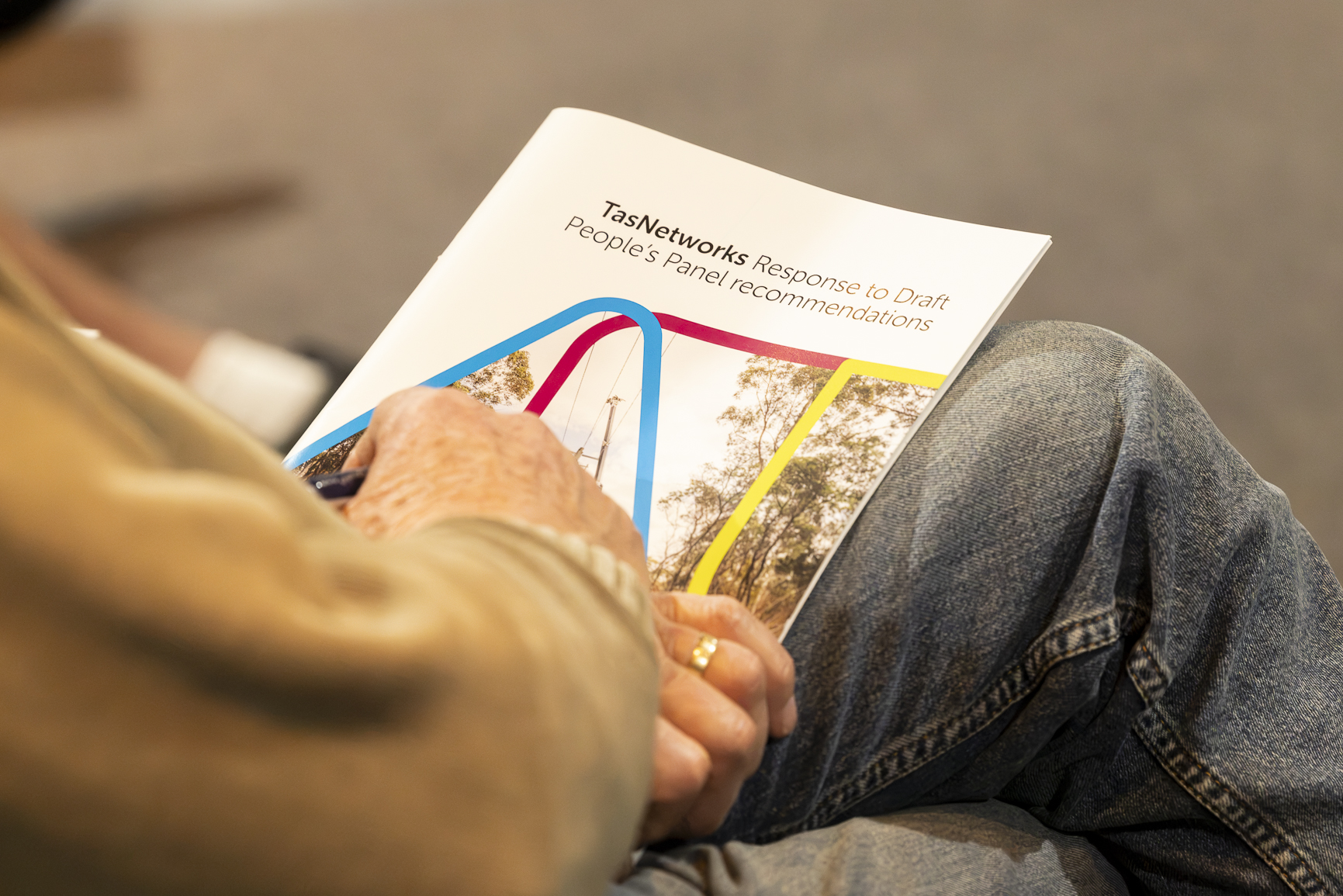
One of our first major revenue reset engagement activities was the establishment of a People’s Panel. This is the first time TasNetworks has engaged a People’s Panel to help shape a Revenue Reset. Find out more about the People's Panel here.

Ways you can get involved

You can shape our proposal by sharing your electricity needs and preferences with us. Whether you're a TasNetworks customer, a member of one of our engagement groups, an interested member of the community, or a representative of an industry body, we're deeply committed to ensuring that your voice is reflected in our proposal.

We encourage you to bookmark this site to stay up to date with information about our proposal and associated activities.

As a provider of electricity transmission and distribution network services in Tasmania, TasNetworks is required to submit a regulatory proposal to the Australian Energy Regulator (AER) every five years, detailing our plans to build, operate and maintain Tasmania's electricity network. This page details the activities and materials associated with the development of our 2029-34 proposal.

This process is known as a 'revenue reset’ and is one of the AER's key mechanisms to ensure our customers pay no more than necessary for safe and reliable power. At the end of this process, the AER releases a final determination that sets out the revenue we can recover in the new regulatory period, which starts on 1 July 2029 and runs until to 30 June 2034.

The development of each regulatory proposal requires a huge amount of work from multiple teams within TasNetworks, spanning 4-5 years and up to a hundred staff. The work includes financial forecasting, asset planning, price and tariff modelling, reviews of existing services and policies, all underpinned by a comprehensive customer and stakeholder engagement program.

How we are engaging

Our engagement is guided by a Strategic Engagement Plan that supports early collaboration with our customers so that they can genuinely shape our decision making.

We’ll be engaging on a range of topics with a diverse range of customers and stakeholders through different forums throughout the phases of the revenue reset. This includes engagement with our existing stakeholder groups such as the Stakeholder Advisory Group and Customer Advisory Group, as well as existing customers such as our small, medium and large business major industrial transmission customers and local councils.

One of our first major revenue reset engagement activities was the establishment of a People’s Panel. This is the first time TasNetworks has engaged a People’s Panel to help shape a Revenue Reset. Find out more about the People's Panel here.

Ways you can get involved

You can shape our proposal by sharing your electricity needs and preferences with us. Whether you're a TasNetworks customer, a member of one of our engagement groups, an interested member of the community, or a representative of an industry body, we're deeply committed to ensuring that your voice is reflected in our proposal.

We encourage you to bookmark this site to stay up to date with information about our proposal and associated activities.

  • Five clear customer priorities emerge from phase 2 engagement
    supporting image

    The voices of customers have helped sharpen the focus for forming the phase two Investment Forecast, with five clear priorities emerging from Phase 2 engagement activities. Insights gathered through extensive consultation show strong support for a balanced approach that delivers value today while preparing for the energy system of tomorrow.

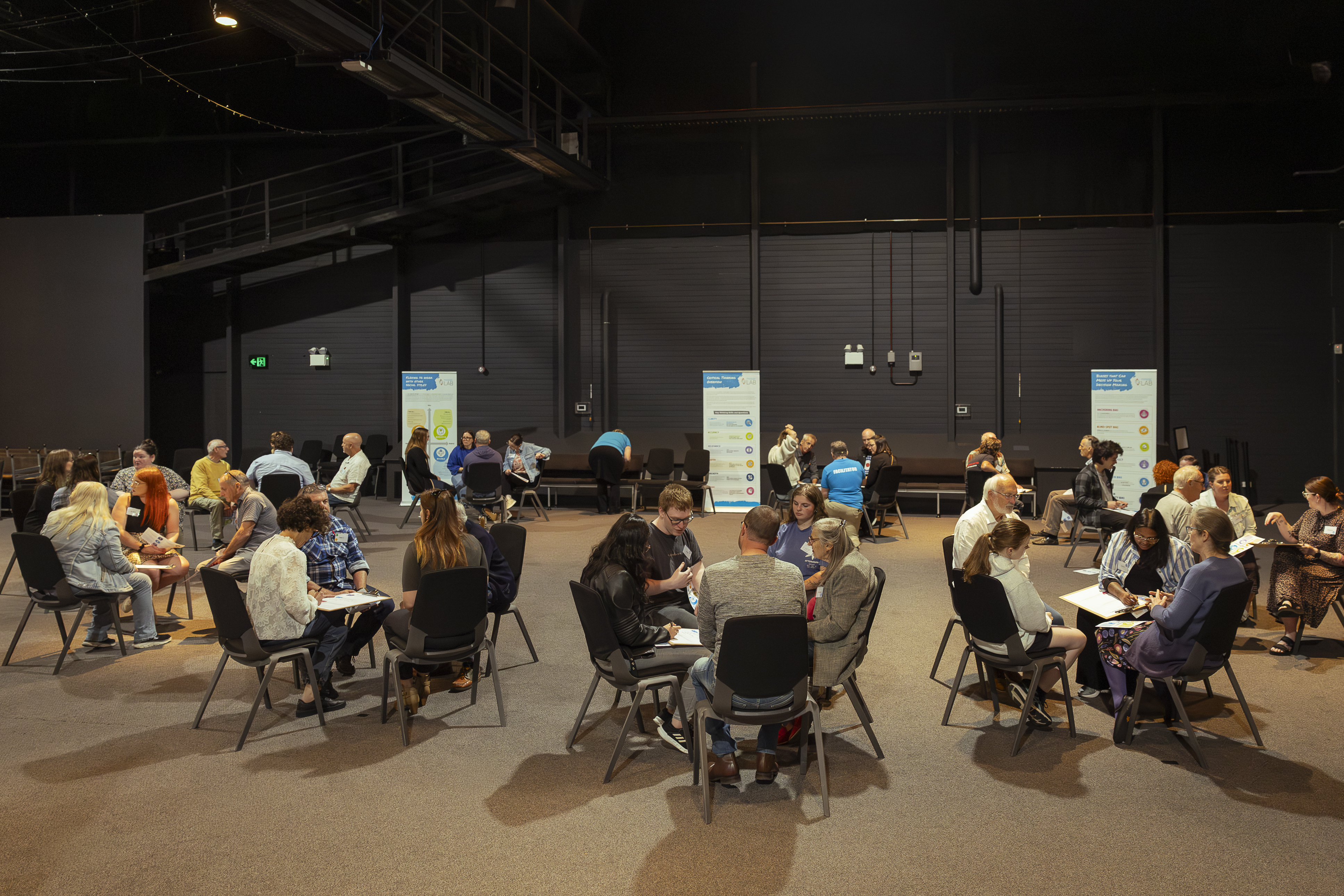
    The Phase 2 engagement program reached a broad cross-section of the community and industry, involving 428 hours of engagement and 35 engagement activities covering 15 key topics. A total of 2,744 people participated directly, including 2,263 residential customers, 100 business customers, 31 industry and local government representatives

    The voices of customers have helped sharpen the focus for forming the phase two Investment Forecast, with five clear priorities emerging from Phase 2 engagement activities. Insights gathered through extensive consultation show strong support for a balanced approach that delivers value today while preparing for the energy system of tomorrow.

    The Phase 2 engagement program reached a broad cross-section of the community and industry, involving 428 hours of engagement and 35 engagement activities covering 15 key topics. A total of 2,744 people participated directly, including 2,263 residential customers, 100 business customers, 31 industry and local government representatives, and members of dedicated engagement and residential people's panels.

    Analysis of the feedback revealed five consistent priorities that customers want to see guide future decision-making.

    1. Targeted, Fit-for-Purpose Solutions

    Customers expressed a clear preference for investing in the right solution for the right problem, rather than defaulting to traditional approaches. Feedback highlighted the importance of considering all viable options, including maintenance, refurbishment, non-network solutions and emerging technologies, to achieve the best value outcome at the lowest possible cost.

    2. Balanced Investment

    Participants recognised the importance of balancing affordability today with prudent investment for the future. Customers supported prioritising investment where it can have the greatest impact, particularly in addressing higher-risk assets and underperforming areas. Transparency in decision-making was identified as critical to ensuring investments are necessary, timely and deliver long-term value.

    3. Building a Future-Ready Network

    As the energy system continues to evolve, customers want a network that is capable of adapting to changing needs. Feedback emphasised the importance of investing in modern, sustainable, digital and resilient infrastructure that strengthens network capability, improves operational efficiency and supports future customer and energy requirements.

    4. Affordability, Equity and Fairness

    Affordability remains a central concern for many customers, particularly those experiencing vulnerability. Engagement participants highlighted the need to carefully consider the impacts of investment decisions across different customer groups and to explore options that balance the lowest possible cost with customer expectations and service outcomes. Targeted support for vulnerable customers was seen as a key priority.

    5. Customer Choice and Control

    Customers also expressed a desire for greater participation in the changing energy landscape. Participants supported investments that increase flexibility and empower customers to make informed energy decisions. They emphasised the importance of proactive, timely and consistent communication that helps customers understand and benefit from emerging energy opportunities.


    The extensive engagement undertaken in Phase 2 has provided valuable insight into what matters most to customers. While priorities vary across customer groups, a common theme emerged: customers want decisions that are practical, transparent, affordable and focused on delivering long-term value.

    These five priorities will play an important role in guiding future planning and investment decisions, ensuring customer perspectives remain at the heart of how the network evolves to meet the challenges and opportunities of a changing energy future.

  • How are customer insights shaping TasNetworks’ future investments?
    supporting image

    Customer and stakeholder feedback is playing a central role in shaping TasNetworks' Revenue Proposal, helping guide investment decisions that will form our Revenue Proposal and support the future of Tasmania's energy network.

    Engaging early with customers and stakeholders has enabled TasNetworks to gain valuable insights into what matters most to the people and communities it serves, as well as the experiences they expect from the business.

    "We can do some really great things with our customers and make some really good change to our business, our energy industry and Tasmania's future by bringing customers into the conversations early," said Renee

    Customer and stakeholder feedback is playing a central role in shaping TasNetworks' Revenue Proposal, helping guide investment decisions that will form our Revenue Proposal and support the future of Tasmania's energy network.

    Engaging early with customers and stakeholders has enabled TasNetworks to gain valuable insights into what matters most to the people and communities it serves, as well as the experiences they expect from the business.

    "We can do some really great things with our customers and make some really good change to our business, our energy industry and Tasmania's future by bringing customers into the conversations early," said Renee Anderson, TasNetworks Acting CEO.

    Feedback gathered through this early engagement is carefully analysed to identify customer and stakeholder priorities. These priorities are then considered alongside several other key factors when determining where investment should be made across the business, including:

    • Network risk – assessing risks to the network and the reliability of electricity supply
    • Asset condition – understanding the performance and condition of critical infrastructure
    • Financial and business considerations – ensuring investments deliver value for money
    • Compliance obligations – meeting regulatory and compliance requirements
    • Safety requirements – prioritising the safety of employees, contractors and the wider community

    Once investment needs have been identified, TasNetworks evaluates a range of potential options. Customers and stakeholders are then engaged again to help assess specific options, trade-offs and priorities where there is influence.

    "We need to listen to people," Ms Anderson said. "We are making big decisions with money that, in this case, Tasmanians pay us, and their voice in how that money is spent is critical."

    She said meaningful engagement is essential not only for TasNetworks, but for the broader energy sector.

    "We need to do more as an industry. We need to really embrace what communities are telling us because we are all in this together, and we all reap the benefits or feel the impacts of the decisions that we make."

    By embedding customer and stakeholder perspectives throughout the decision-making process, TasNetworks is working to ensure its investments reflect community priorities while supporting a safe, reliable and sustainable energy future for Tasmania.

  • Powering productivity: Why reliability matters to small businesses

    supporting image

    Most small business owners don't spend much time thinking about electricity.

    Until it's not there.

    For a retailer, a power outage can mean EFTPOS terminals stop working. For a childcare provider, it can affect heating, cooling and the ability to provide a comfortable environment for children. For an accommodation business, it can mean guests can't shower, toilets don't work and bookings need to be cancelled.

    As part of TasNetworks' Revenue Reset engagement, we spoke with small businesses across Tasmania about the role electricity plays in their day-to-day operations and what matters most to them when it comes to the future

    Most small business owners don't spend much time thinking about electricity.

    Until it's not there.

    For a retailer, a power outage can mean EFTPOS terminals stop working. For a childcare provider, it can affect heating, cooling and the ability to provide a comfortable environment for children. For an accommodation business, it can mean guests can't shower, toilets don't work and bookings need to be cancelled.

    As part of TasNetworks' Revenue Reset engagement, we spoke with small businesses across Tasmania about the role electricity plays in their day-to-day operations and what matters most to them when it comes to the future of the network.

    While the businesses were diverse, the message was remarkably consistent: reliable and affordable electricity matters.

    The impacts can last far longer than the outage

    One accommodation operator described how a planned outage scheduled between 8am and 4pm can affect much more than the eight hours shown on the notification.

    Without electricity, water and sewerage systems can't operate. Guests can't check in. Accommodation needs to be blocked out before and during the outage. A café and restaurant may not be able to open at all.

    As the business explained:

    “An 8 hour outage has the ability to impact the business for around 36 hours.”

    Other businesses shared similar experiences.

    One retailer said power outages affect everything from EFTPOS transactions to refrigeration. A childcare provider highlighted the importance of reliable electricity for maintaining services for children and families. Professional services businesses spoke about their reliance on cloud-based systems, phones and internet connectivity to serve clients and keep staff productive.

    Reliability matters, but so does cost

    Reliability wasn't the only issue raised.

    Many businesses described electricity as one of their largest operating expenses and expressed concern about the impact of rising costs.

    For some, electricity costs influence investment decisions. Others spoke about adjusting how they use heating, cooling or equipment to manage expenses. Several participants identified affordability as one of the biggest challenges facing their business.

    One business owner summed it up simply:

    “The core challenges are electricity cost and certainty.”

    More information, better planning

    Another strong theme was communication.

    Businesses told us that planned outages are easier to manage when there is enough notice and clear information about timing and duration. Several participants said that even small improvements in communication could help them reduce disruption, better manage customers and plan around interruptions.

    Many also highlighted the importance of understanding what options are available to them, whether that's retailer choice, solar, batteries or other ways of improving resilience.

    Looking ahead

    What stood out most from these conversations was how directly electricity affects the businesses that keep local communities running.

    A power outage isn't just an interruption to supply. It can mean cancelled bookings, lost productivity, disrupted services and customers who can't be served.

    The insights shared through the Small Business Forum are helping TasNetworks better understand those day-to-day impacts and the role the network plays in supporting businesses across Tasmania.

    As we continue developing our Revenue Reset proposal, these conversations will help inform how we plan for a network that remains reliable, affordable and capable of supporting small businesses into the future.

  • The power of being heard - Understanding what reliable electricity means to our customers
    supporting image

    By listening to customers from across Tasmania, TasNetworks is gaining a deeper understanding of the important role reliable electricity plays in everyday life – particularly for people facing additional challenges or vulnerabilities.

    Insights from TasNetworks’ Amplified Voices engagement show that dependable electricity is closely linked to health, safety, communication, financial security and the ability to live safely and comfortably at home.

    The engagement heard from people living in rural and remote communities, customers who rely on electricity for life support, and households experiencing financial hardship or bill stress. Across all groups, participants consistently described electricity as an essential service that

    By listening to customers from across Tasmania, TasNetworks is gaining a deeper understanding of the important role reliable electricity plays in everyday life – particularly for people facing additional challenges or vulnerabilities.

    Insights from TasNetworks’ Amplified Voices engagement show that dependable electricity is closely linked to health, safety, communication, financial security and the ability to live safely and comfortably at home.

    The engagement heard from people living in rural and remote communities, customers who rely on electricity for life support, and households experiencing financial hardship or bill stress. Across all groups, participants consistently described electricity as an essential service that needs to be both reliable and affordable.

    While reliability matters to everyone, we heard that the impact of a power outage is not experienced equally. An interruption that may be a temporary inconvenience for one household can create significant health, safety or financial challenges for another.

    For customers who rely on life support equipment or manage complex health conditions, reliable electricity can be directly connected to health and wellbeing. Participants described relying on equipment such as CPAP machines, temperature control systems and other medical devices to support daily living. Extended outages, particularly during extreme weather, can make it difficult to maintain safe and comfortable conditions at home.

    For these households, reliability is about more than convenience – it supports safety, independence and the ability to manage health needs at home.

    In rural and remote communities, electricity also underpins services that can easily be taken for granted. Participants described how outages can disrupt drinking water, food storage and communications, particularly for homes that rely on electric pumps, refrigeration and all-electric systems.

    Longer outages can create compounding challenges, from losing access to water and food to difficulties staying connected with family, neighbours and emergency information. Reliable electricity was seen as an important part of building community resilience and reducing isolation.

    For households experiencing financial hardship, electricity provides stability when budgets are already under pressure. Participants spoke about the importance of being able to maintain heating, cooling, cooking and refrigeration, as well as work and study from home. Power outages can lead to spoiled food, disrupted routines and unexpected costs.

    We also heard that affordability and reliability are closely connected. Customers who are already making difficult choices to manage their energy bills may have little capacity to absorb additional costs or disruption caused by outages.

    One of the strongest themes across all groups was the importance of outage duration. While many participants felt able to manage short interruptions, the impacts increased significantly as outages continued. Loss of food, water, heating or cooling, communications and access to essential services became increasingly challenging.

    Participants also showed interest in solutions that could strengthen household resilience, including solar, batteries and backup systems. Whether motivated by reducing costs, increasing self-sufficiency or having greater security during outages, there was a shared desire for more control over energy use and reliability.

    The engagement highlighted that while Tasmanians share common priorities for affordable and reliable electricity, their experiences and needs can be very different. For many people, reliable electricity is not simply about keeping the lights on – it supports health, independence, connection and peace of mind every day.

    Insights from the Amplified Voices engagement were shared with the People’s Panel throughout the deliberative process, bringing a broader range of customer experiences and perspectives into the conversation. This helped ensure the Panel’s discussions and recommendations reflected not only the experiences of panellists, but also the voices of customers who may not have been directly represented on the Panel.

    View the full Amplified Voices Report

  • The energy challenge behind business growth
    supporting image

    When people think about electricity, they often think about keeping the lights on. For Tasmania's largest energy users, it's about much more than that.

    It's about whether a business can expand. Whether a new facility can be built. Whether equipment can be electrified. Whether an investment stacks up.

    That was the focus of a recent conversation between TasNetworks and a group of large customers from industries including aquaculture, aviation, manufacturing, water services and energy.

    While their businesses are very different, many are grappling with a similar question: what will they need from the electricity network over the next decade?

    For

    When people think about electricity, they often think about keeping the lights on. For Tasmania's largest energy users, it's about much more than that.

    It's about whether a business can expand. Whether a new facility can be built. Whether equipment can be electrified. Whether an investment stacks up.

    That was the focus of a recent conversation between TasNetworks and a group of large customers from industries including aquaculture, aviation, manufacturing, water services and energy.

    While their businesses are very different, many are grappling with a similar question: what will they need from the electricity network over the next decade?

    For some, the answer is capacity.

    Several businesses described plans to grow, electrify parts of their operations or invest in new infrastructure. But making those decisions often depends on understanding what electricity supply will be available, when it will be available and what it might cost to access.

    One large customer explained that future growth is increasingly linked to electricity availability, particularly in regional areas where capacity can be more limited. Another described network capacity as a critical factor in long-term planning and investment decisions.

    Reliability was never far from the discussion.

    For many businesses, an outage is more than an inconvenience.

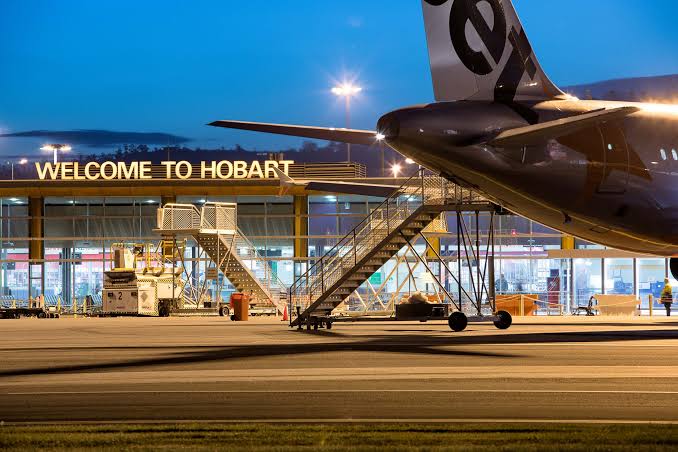
    Airports spoke about the importance of power quality and redundancy. Aquaculture operators described the role electricity plays in supporting systems that are essential to production, environmental management and animal welfare. Other businesses highlighted the operational and financial impacts that can come from outages, voltage fluctuations and uncertainty around restoration timeframes.

    Several participants said they had invested in backup systems to manage these risks, but noted that backup generation and batteries are not always a replacement for reliable network supply.

    The discussion also highlighted how the relationship between businesses and the network is changing.

    Customers spoke about increasing interest in electrification, demand response, batteries and smarter ways of managing energy use. Some businesses said they would be interested in greater flexibility, particularly where it could help support the network while also creating value for customers.

    There was also a strong desire for better visibility.

    Not necessarily more information, but the right information.

    Customers spoke about wanting clearer visibility of future network capacity, earlier conversations about constraints and upgrades, and practical information that would help them make decisions with confidence.

    What stood out most from the discussion was that these businesses see electricity as more than a utility service.

    For them, the network is part of how Tasmania grows.

    The insights shared through these conversations are helping TasNetworks better understand the opportunities and challenges facing large customers, and how the network can continue to support investment, innovation and economic growth across the state.

    The feedback wasn't just about today's challenges. It was about understanding what businesses will need from the network in the future. Those insights are now helping inform TasNetworks' planning and the development of its Revenue Reset proposal for 2029-34.

  • Tariff Design Working Group - Helping shape future network tariffs
    supporting image

    Most people don't spend much time thinking about network tariffs.

    But as the way Tasmanians use electricity continues to change, tariffs are becoming an increasingly important part of the conversation about our energy future.

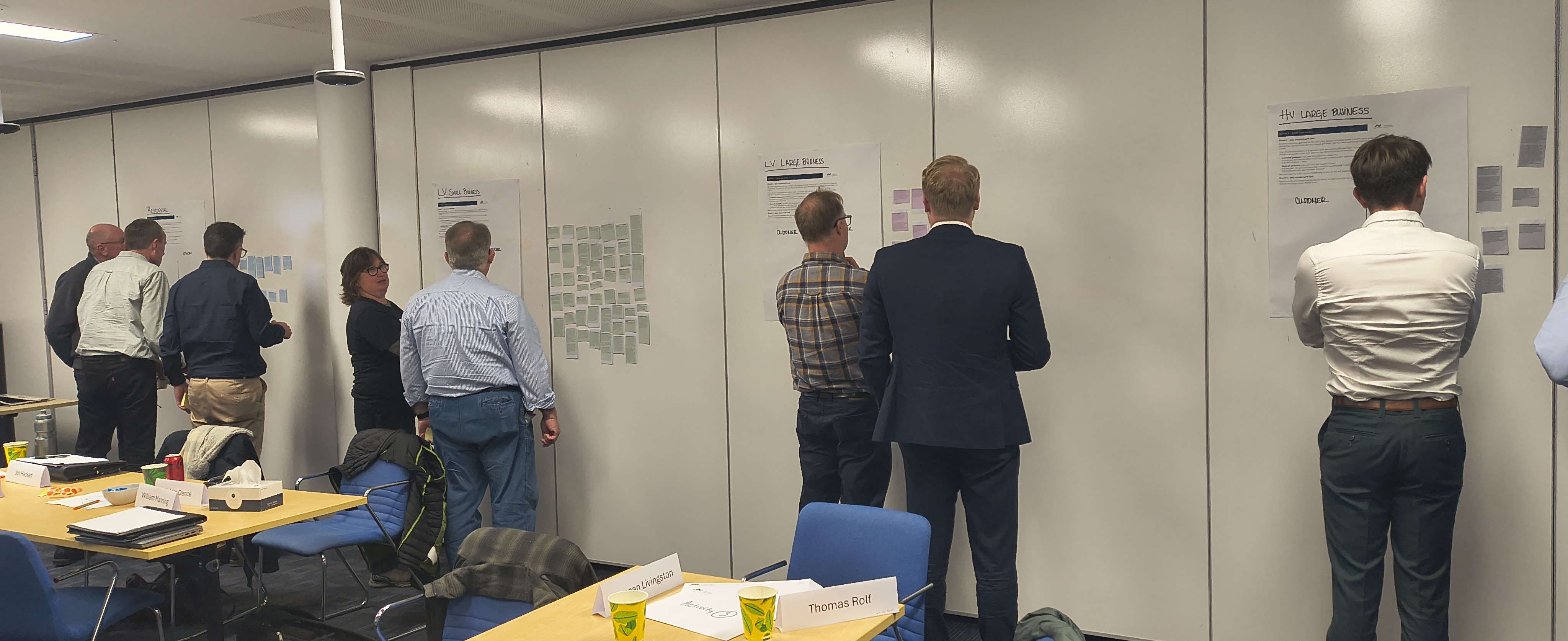
    That's why TasNetworks established the Tariff Design Working Group (TDWG), bringing together customers, community representatives, consumer advocates and industry participants to explore the opportunities and challenges facing Tasmania's electricity network.

    The group provides a forum for people with different experiences and perspectives to learn more about network pricing, ask questions and share their views on what matters most to customers.

    While network tariffs can be a

    Most people don't spend much time thinking about network tariffs.

    But as the way Tasmanians use electricity continues to change, tariffs are becoming an increasingly important part of the conversation about our energy future.

    That's why TasNetworks established the Tariff Design Working Group (TDWG), bringing together customers, community representatives, consumer advocates and industry participants to explore the opportunities and challenges facing Tasmania's electricity network.

    The group provides a forum for people with different experiences and perspectives to learn more about network pricing, ask questions and share their views on what matters most to customers.

    While network tariffs can be a complex topic, the discussions often come back to some simple questions.

    What is fair?

    How can network costs be shared equitably?

    How do we support innovation and new technologies without leaving anyone behind?

    And how do we balance affordability, reliability and customer choice?

    These are not easy questions, and there are often different views around the table.

    Members have discussed how emerging technologies such as rooftop solar, batteries and electric vehicles are changing the way customers interact with the network. They've also explored the experiences of customers who may not have the same opportunities to invest in these technologies and what that could mean for future tariff design.

    For business customers, conversations have focused on the realities of running a business, including the challenges some face in responding to electricity price signals when their operating hours are largely fixed.

    Members have also shared perspectives from regional communities, agriculture and irrigation, highlighting how changing customer needs and operating environments can influence the way electricity is used.

    One of the strengths of the group is its willingness to tackle these issues from different angles.

    Rather than seeking simple answers, members are encouraged to challenge assumptions, consider trade-offs and explore how decisions made today could affect customers well into the future.

    The discussions have highlighted the importance of tariff structures that are fair, understandable and adaptable as customer needs continue to evolve.

    Importantly, the group is not about finding solutions in isolation. Insights from the TDWG sit alongside feedback from other engagement activities, helping TasNetworks build a broader understanding of customer and stakeholder expectations.

    The group's discussions are also helping shape TasNetworks' thinking as it develops network tariffs for the 2029-34 regulatory period. By testing ideas, exploring customer perspectives and identifying potential opportunities and challenges, members are helping inform the development of TasNetworks' future tariff approach

    As Tasmania's energy system continues to change, the Tariff Design Working Group provides a valuable opportunity for customers and stakeholders to contribute to conversations about the future of network pricing and the role it can play in supporting a reliable, affordable and sustainable electricity network.

  • Agriculture and Irrigation Forum provides valuable input into Revenue Reset
    supporting image

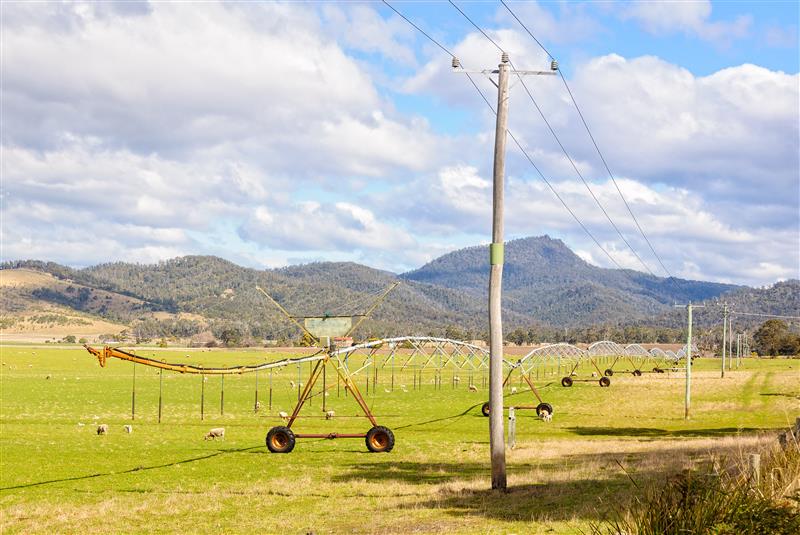
    TasNetworks recently brought together representatives from Tasmania's agriculture and irrigation sectors for a dedicated forum focused on customer priorities, future energy needs and the lessons learned through the FarmShare Tariff Trial. Twelve customers participated in the FarmShare discussion, with a smaller group continuing the conversation on Revenue Reset 2029-34.

    The forum provided an opportunity for participants to reflect on their experiences in the FarmShare trial, including what worked well, the challenges they encountered and the opportunities they see for the future. Discussions highlighted the diversity of agricultural operations across Tasmania and the different ways customers manage electricity use, irrigation and

    TasNetworks recently brought together representatives from Tasmania's agriculture and irrigation sectors for a dedicated forum focused on customer priorities, future energy needs and the lessons learned through the FarmShare Tariff Trial. Twelve customers participated in the FarmShare discussion, with a smaller group continuing the conversation on Revenue Reset 2029-34.

    The forum provided an opportunity for participants to reflect on their experiences in the FarmShare trial, including what worked well, the challenges they encountered and the opportunities they see for the future. Discussions highlighted the diversity of agricultural operations across Tasmania and the different ways customers manage electricity use, irrigation and on-farm investment decisions.

    Participants also explored a range of topics relevant to Revenue Reset 2029-34, including network reliability, outage management, tariff structures, energy affordability and the role electricity will play in supporting future agricultural productivity. Several participants highlighted the importance of certainty and clear information when making long-term investment decisions, particularly as businesses consider solar, battery storage, electrification and other emerging technologies.

    The discussion also reinforced the value of ongoing engagement and education to help customers understand changing energy opportunities and challenges. Participants shared practical insights into how electricity costs influence business decisions and the importance of ensuring future arrangements recognise the unique needs of agriculture and irrigation customers.

    The feedback gathered through the forum will help strengthen TasNetworks' understanding of customer priorities and contribute to the development of our Revenue Reset 2029-34 planning. The insights will also help inform future engagement with agriculture and irrigation customers across Tasmania.

    Thank you to everyone who participated and generously shared their experiences, perspectives and ideas.

  • People’s Panel delivers recommendations to help shape Tasmania’s energy future
    supporting image

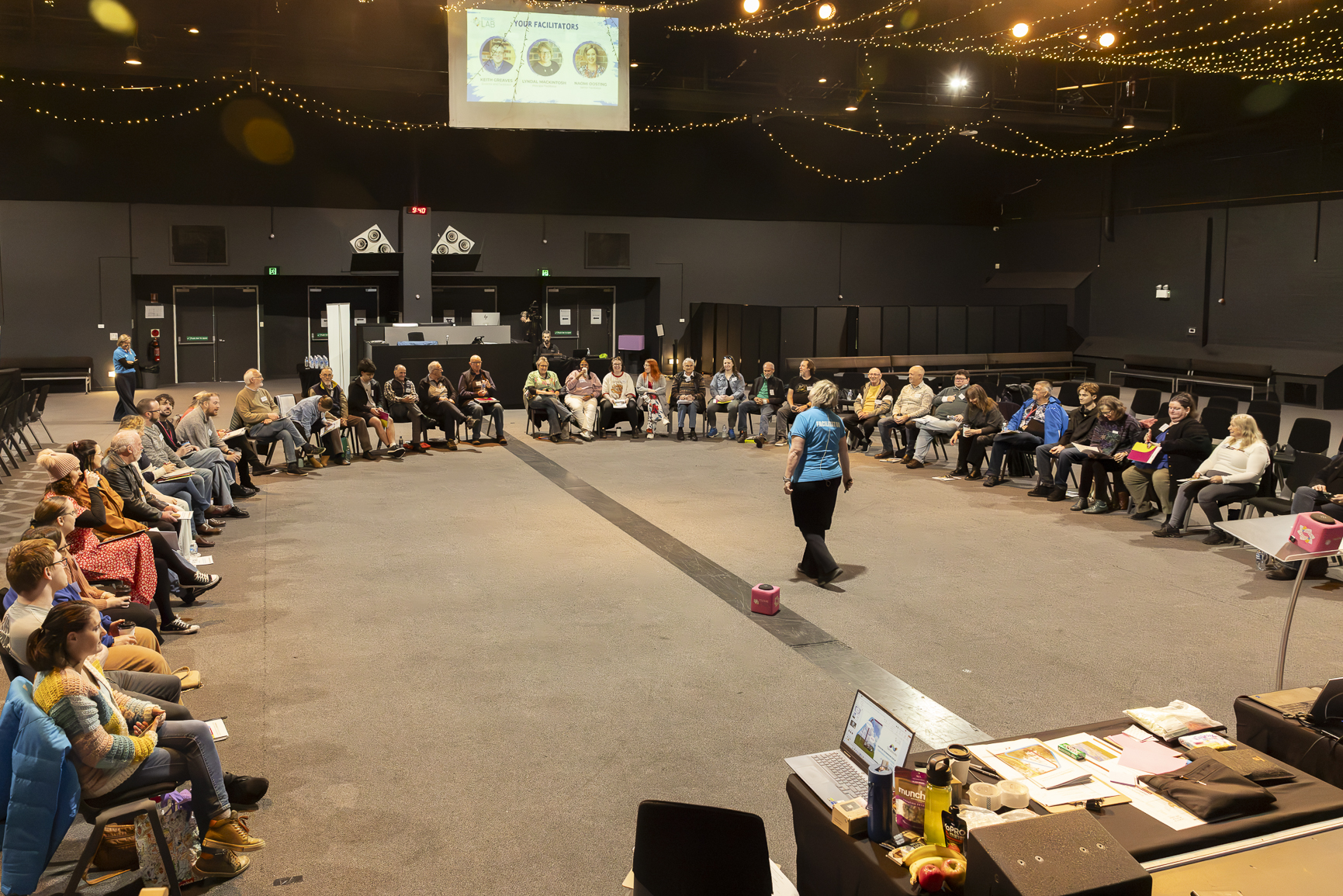
    After four months of learning, listening and collaboration, the Revenue Reset People’s Panel has formally delivered its recommendations to TasNetworks.

    Bringing together 43 Tasmanians from across the state, the People’s Panel was established to provide a community perspective on the challenges and opportunities facing Tasmania’s electricity network and help inform future investment decisions.

    Over the course of the process, Panel members took part in 44 hours of engagement and six and a quarter days of learning, hearing from 34 speakers and presenters and exploring topics including reliability, resilience, consumer energy resources, digital capability, customer experience, investment, pricing and

    After four months of learning, listening and collaboration, the Revenue Reset People’s Panel has formally delivered its recommendations to TasNetworks.

    Bringing together 43 Tasmanians from across the state, the People’s Panel was established to provide a community perspective on the challenges and opportunities facing Tasmania’s electricity network and help inform future investment decisions.

    Over the course of the process, Panel members took part in 44 hours of engagement and six and a quarter days of learning, hearing from 34 speakers and presenters and exploring topics including reliability, resilience, consumer energy resources, digital capability, customer experience, investment, pricing and fairness.

    Panel members were encouraged to ask questions, challenge assumptions and share their own experiences and perspectives. As their understanding grew, so too did the depth of the conversations, with members exploring the complexities involved in balancing cost, reliability, investment and fairness for different customers and communities.

    The Panel’s learning was supported by TasNetworks subject matter experts, the People’s Panel Manual and a series of animated videos designed to make complex topics easier to understand. External perspectives also formed an important part of the process, with Energy Charter CEO Sabiene Heindl sharing a national perspective on the energy transition and the importance of fairness, equity and customer outcomes.

    From learning to recommendations

    Day 4 marked an important turning point, as Panel members began translating what they had learned into draft recommendations.

    Working together, members considered the information they had received and developed practical and balanced ideas that reflected both customer expectations and the long-term needs of the network.

    The draft recommendations were then considered by TasNetworks and shared with Stakeholder and Customer Advisory Groups, allowing the Panel to hear additional perspectives before returning to refine their thinking.

    The final day of deliberations was held in Launceston on Saturday 13 June. After hearing TasNetworks’ response to their draft recommendations and having the opportunity to ask further questions, the Panel formally handed over its 10 final recommendations to TasNetworks Chair Roger Gill and Deputy CEO Renée Anderson.

    The handover marked the culmination of months of learning and collaboration, as well as the strong connections and relationships that developed throughout the process.

    Panel members brought diverse experiences and perspectives to the table, demonstrating a willingness to listen, consider different points of view and work together on some of the complex challenges facing Tasmania’s energy future.

    The journey continues

    While the formal deliberations have now concluded, the Panel’s work will continue to inform the Revenue Reset process.

    Panel members will be invited to return for a Recall Day in late October, where they will see how their recommendations have influenced the development of TasNetworks’ draft proposal and continue discussions on key options being considered.

    The recommendations will help inform the Combined Proposal TasNetworks plans to submit to the Australian Energy Regulator in early 2028.

    The People’s Panel has provided a valuable opportunity for community voices to be heard directly in decisions about the future of Tasmania’s electricity network, and its contribution will continue to be an important part of the journey ahead.

  • Engagement gets underway for 2026

    supporting image

    We’ve kicked off engagement on our 2029–34 Regulatory Proposal for 2026 with a productive meeting with our Stakeholder Advisory Group.

    Following on from the endorsement of our Strategic Engagement Plan in 2025, this meeting included a robust discussion on the key trade-offs in the upcoming Revenue Reset, including reliability, resilience and how we prioritise investments to deliver the best outcomes for customers.

    Download a copy of the meeting presentation here.

    While this meeting marks the start of our engagement program for 2026, conversations about our revenue reset will be ongoing. Our next regulatory period starts on 1 July 2029 and

    We’ve kicked off engagement on our 2029–34 Regulatory Proposal for 2026 with a productive meeting with our Stakeholder Advisory Group.

    Following on from the endorsement of our Strategic Engagement Plan in 2025, this meeting included a robust discussion on the key trade-offs in the upcoming Revenue Reset, including reliability, resilience and how we prioritise investments to deliver the best outcomes for customers.

    Download a copy of the meeting presentation here.

    While this meeting marks the start of our engagement program for 2026, conversations about our revenue reset will be ongoing. Our next regulatory period starts on 1 July 2029 and will run until 30 June 2034. Although this is a long way away, there’s a huge amount of work that needs to be done behind the scenes to develop our draft regulatory proposal, including financial forecasting, asset planning, price modelling, reviews of existing services and policies, and of course, customer and stakeholder engagement.

    To learn more about our engagement approach or the activities we intend to undertake to support the successful development of our 29-34 regulatory proposal, download a copy of our Strategic Engagement Plan.

    We’re grateful to the members of our Stakeholder Advisory Group for their time and thoughtful contributions, and we look forward to continuing the conversation at our next meeting in May 2026.

Page last updated: 09 Sep 2026, 03:18 PM